Wez Wildlife
  • Home
  • About
  • Shop
  • Critter Chronicles
  • Contact

How did the zebra get it's stripes??

9/23/2022

0 Comments

 
Picture
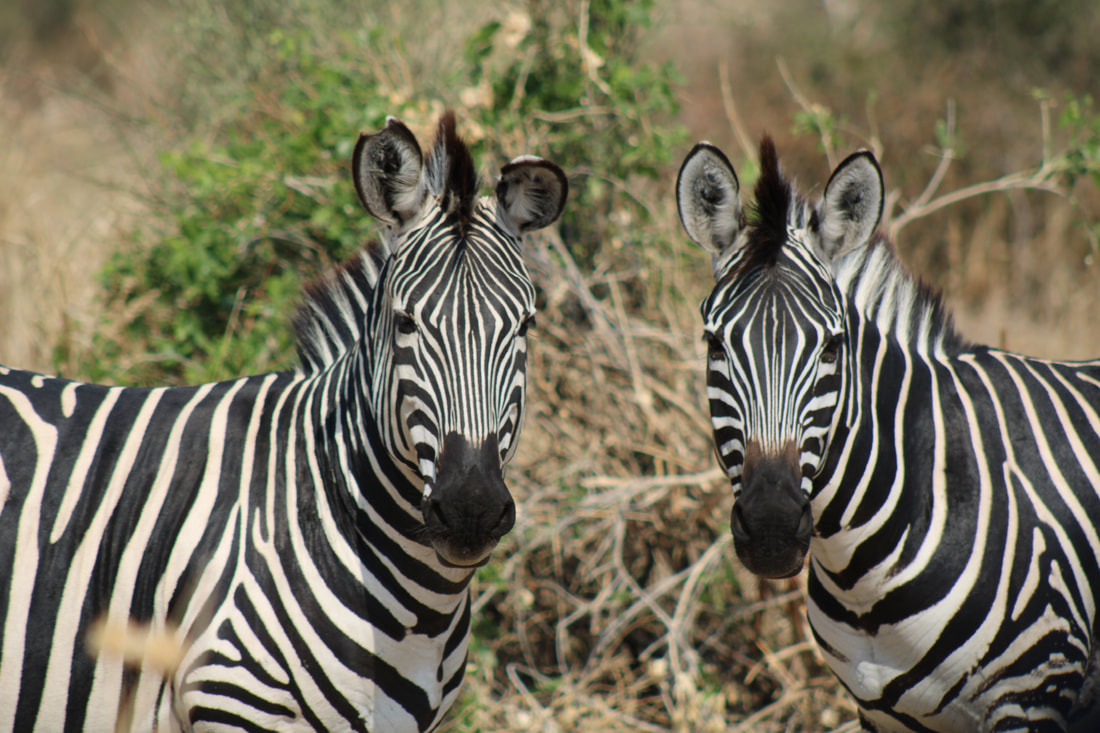
The Plains Zebra is the most social of the three species, they gather in herds of ~10,000 and complete the longest migration of any African land mammal!

The characteristic black and white stripes are unique to each individual—like a fingerprint!

Although the jury is still out on why zebras have stripes, there have been several theories proposed over the years. Predators that hunt in cooperation (such as lions, African wild dogs, and wolves) must carefully coordinate their attacks to be successful. Some evidence suggests that large herds of striped zebra tend to blend together, confusing predators, and making it difficult to pinpoint and target a specific individual. However, the best supported theory, currently, suggests that the stripes confuses nagging horseflies, disrupting their ability to sense the warm blood vessels they feed on!

Horseflies are able to detect minute changes in temperature between air currents, this is how they pinpoint horse blood vessels and begin to feast. However, black and white fur interact with light (and thus heat) differently. White reflects heat, while black absorbs it. This causes a shifting mosaic of heat changes across a zebras body and thus horseflies cannot rely on locating large blood vessels simply by targeting warmer areas. This often results in multiple test bites which increases the probability that the zebra will feel it and swat it away before it does any real damage!

While the Plains Zebra is the most widespread species, they are listed as a “near threatened” species and are declining due to habitat loss. Every single species on this planet has something that makes it unique, and often times an essential part of its ecosystem. Since humans are the main reason many species are declining in the first place, it is our duty to reverse as much damage as possible and work to keep wildlife around.
​

#plainszebra #plainszebras #zebra #zebras #africanamazing #wildlifephotography #africanwildlife #tanzania #savannah
0 Comments


Leave a Reply.

    Author:
    Jimmy Wehsener

    NSF Graduate Research Fellow​
    PhD Student | Blumstein Lab 

    UCLA

    ​​Master of Science
    Biological Sciences 

    Mississippi State University

    Bachelor of Science
    Molecular Environmental Biology 
    UC Berkeley

    RSS Feed

sign up
Proudly powered by Weebly
  • Home
  • About
  • Shop
  • Critter Chronicles
  • Contact